
When a Sectional Sofa Makes More Sense Than Multiple Chairs
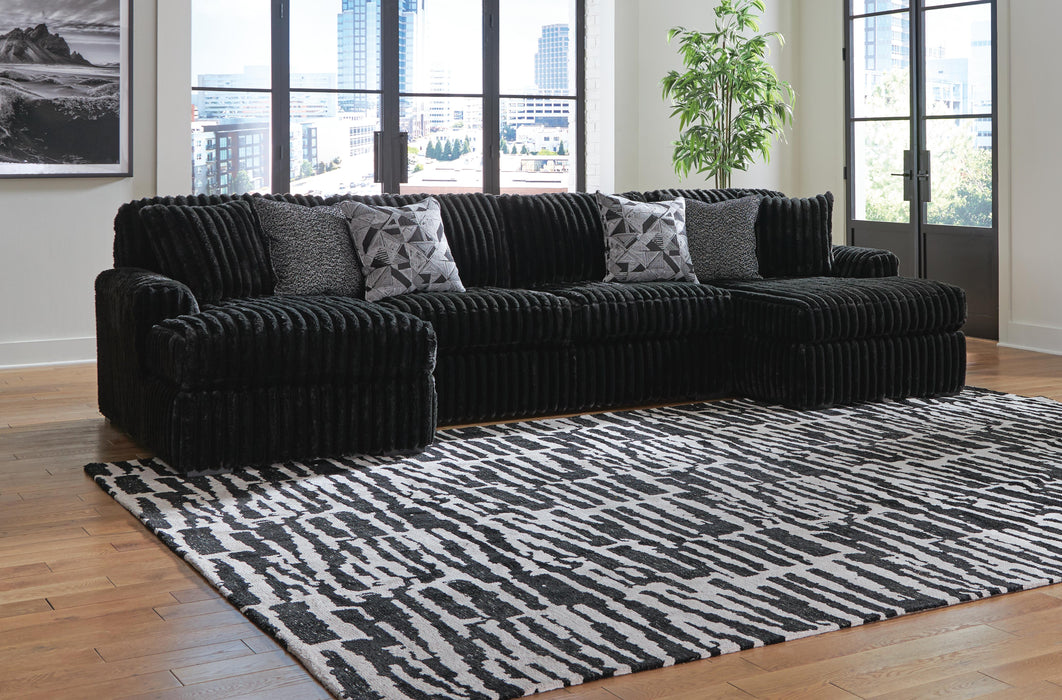
cent chairs and a regular sofa have their place in home design, but there are specific situations where a sectional sofa is the smarter, more comfortable choice. If you've been going back and forth between setups, this guide breaks down exactly when a sectional wins and when it doesn't.
Key Takeaways
-
A sectional sofa can comfortably seat 5–7 people without wasting floor space on dead zones between separate pieces, making it ideal for any family room that doubles as a hangout zone.
-
Sectional sofas maximize seating capacity and optimize corner space in a living room, which matters more than ever in open floor plans and multipurpose living spaces.
-
An L-shaped sectional with a chaise placed in a 16' × 20' living area can anchor the entire room layout, define the seating zone, and eliminate the need for extra chairs scattered around the space.
-
When your household regularly seats four or more people, a sectional makes more sense than juggling accent chairs, ottomans, and a standalone sofa.
-
In large rooms and open concept layouts, sectionals prevent the "floating furniture" problem and create one clear focal point instead of visual clutter.
Quick Answer: When a Sectional Beats Multiple Chairs
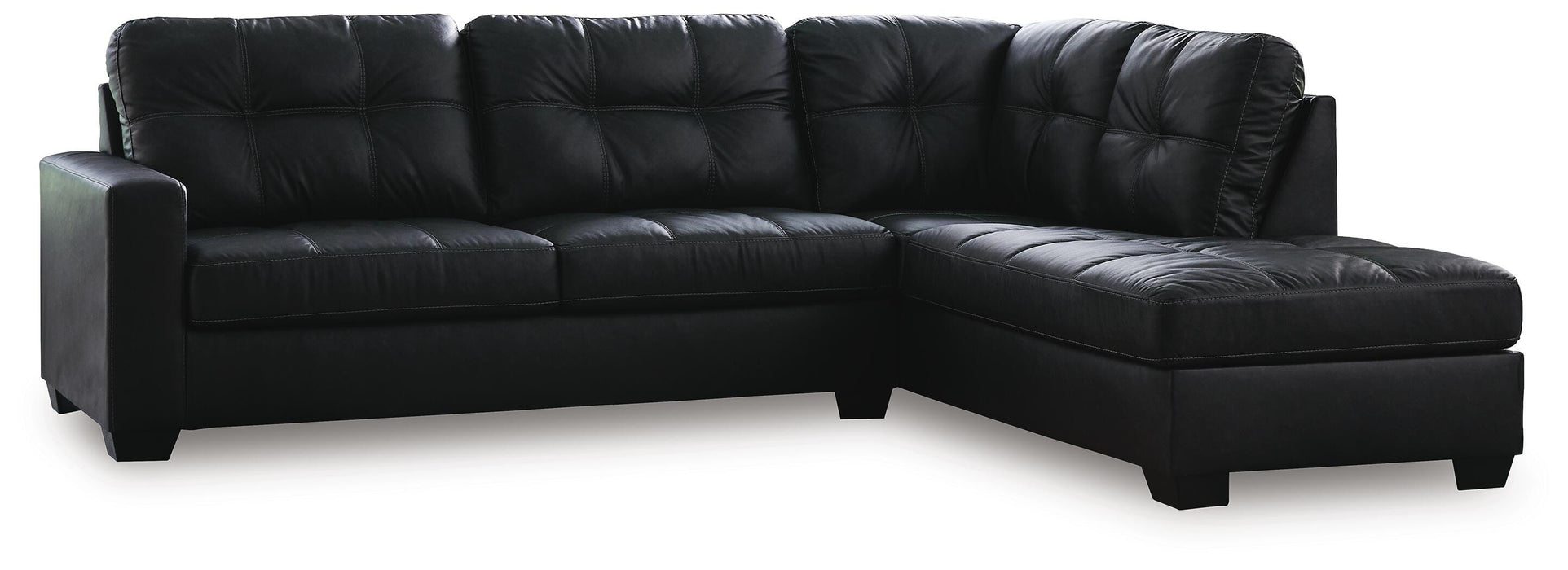
A sectional makes more sense when you regularly seat four or more people, have an open concept layout that needs a visual anchor, or simply want one main piece of furniture instead of arranging many accent chairs and a regular sofa across the room. If your household prioritizes casual lounging over structured seating, a sectional almost always delivers more seating in less floor space.
Here are the specific scenarios where sectionals consistently win:
-
15' × 18' family room, movie night setup: An L-shaped sectional along two walls seats everyone for movie nights without needing extra chairs pulled in from the dining room. You get ample seating and a clear seating area in one piece.
-
Open floor plan loft: A sectional divides the living and dining zones better than scattered chairs, acting as a soft visual wall. Choosing a sectional sofa can define specific zones in an open-concept layout without building actual partitions.
-
15' × 15' square room: In a 15' × 15' room, a U-shaped sectional can replace multiple seating pieces entirely, giving you more seating and better seating capacity than a sofa-and-chairs combo.
-
Suburban family hangout: When the room is for watching TV, gaming, and general family use, a sectional offers a continuous lounging surface that extra seating from small spaces like tight spaces between chairs simply can't match.
When do multiple chairs still win? In a very small room under 10' wide, or a formal living room designed for face-to-face conversation and formal entertaining, a sofa plus two or three chairs often works better. But for most households in 2026, the sectional is the stronger play.
If your room is at least 12' wide and you seat 4+ people regularly, a sectional will almost always outperform a chair-heavy layout.
To keep things comfortable, plan to leave 30"–36" walkways around the sectional so circulation doesn't suffer.
Understanding Your Seating Options: Sectional vs. Sofa + Chairs
Before diving deeper, it helps to understand exactly what you're comparing. There are three basic setups most people consider for a living room:
A standard sofa (typically a three seater at around 84") seats about 3 adults. Paired with nothing else, it often leaves a larger living room feeling underfurnished. A standard sofa seats 3 adults comfortably, which is rarely enough for a household of four or more.
A sectional is two or more connected pieces forming an L, U, or chaise configuration. Chaise sectionals add a lounging extension. Typical L-shaped sectionals comfortably seat 4–6 people. A U-shaped sectional can seat 6–8 people comfortably. Sectionals provide continuous seating without gaps between furniture.
A sofa + multiple chairs setup means pairing a traditional sofa or love seat with two chairs, recliners, or armchairs. Separate sofas or two sofas arranged across from each other are another variation. Sofas provide a base, while individual chairs add flexibility. Two separate sofas offer greater flexibility in arrangement, and this setup works well in a formal living room where conversation is the priority.
This article's focus isn't sectional versus sofa in general-it's specifically about when a sectional beats the "lots of chairs" approach in real family rooms and living areas.
In 2026, many buyers are choosing modular sectionals because they can rearrange the pieces over time, narrowing the flexibility gap. Modular sectionals can be rearranged as needs change, which makes them a hybrid between a fixed sectional and a chair-heavy layout. This modular design approach is one of the fastest-growing furniture categories heading into the second half of the decade.
Room Size and Layout: When a Sectional Just Fits Better
The shape and room size of your living area or family room often decide whether a sectional or multiple chairs will feel natural. Before shopping, grab a tape measure.
Ideal Dimensions for Sectionals
Most L-shaped sectionals run about 100"–120" on the long side and work best in rooms at least 12' wide. A U-shaped sectional needs significantly more depth, usually 14'–18' in at least one direction to maintain enough space for walkways.
Here's a quick reference:
|
Sectional Shape |
Min. Room Width |
Typical Seating |
|---|---|---|
|
L-shaped |
~12' (144") |
4–6 adults |
|
Chaise-end |
~12' |
4–5 adults |
|
U-shaped |
~14'–18' |
6–8 adults |
|
Pit/modular |
~14'+ |
5–8 adults |
Why Sectionals Shine in Larger Rooms
In a larger living room or open concept spaces, a single sofa plus a couple of accent chairs can look scattered, like furniture floating in a sea of hardwood. A sectional fills the floor plan with purpose. Sectionals can make large rooms feel more inviting and cozy by creating a defined seating area rather than leaving empty corners.
A sectional serves as a natural architectural wall in large open-concept homes. It visually separates the living area from the dining zone without needing screens or bookshelves. Sectionals can act as "soft walls" in open-concept homes, and they help create distinct zones for different activities like lounging, working, and eating.
Sectionals can visually define seating areas in open floor plans, which is why designers lean toward them in open concept new builds.
Traffic Flow and Walkway Rules
Aim for 36"–42" on main walkways and 30"–36" on secondary paths. Too many chairs in a room layout create visual clutter and tight walkways. A single sectional with a clear corner piece tucked against a wall gives you better flow and more space for a play area, side passage, or kids' space.
Concrete Layout Examples
-
16' × 22' open concept living area: An L-shaped sectional defines the seating area in front of the TV wall. The back of the sectional creates a visual boundary with the dining zone. You still have room for a console table behind the sectional and a clear 40" walkway.
-
14' × 20' family room: A chaise sectional along one long wall (about 110" total) frees up the opposite side of the room for a kids' play area or home office nook, creating an inviting atmosphere without overcrowding.
Comfort, Lifestyle, and How You Actually Use the Room
Your daily habits-movie nights, gaming, reading, or entertaining guests-matter more than décor trends when choosing between a sectional and multiple chairs.
Family Use and Lounging
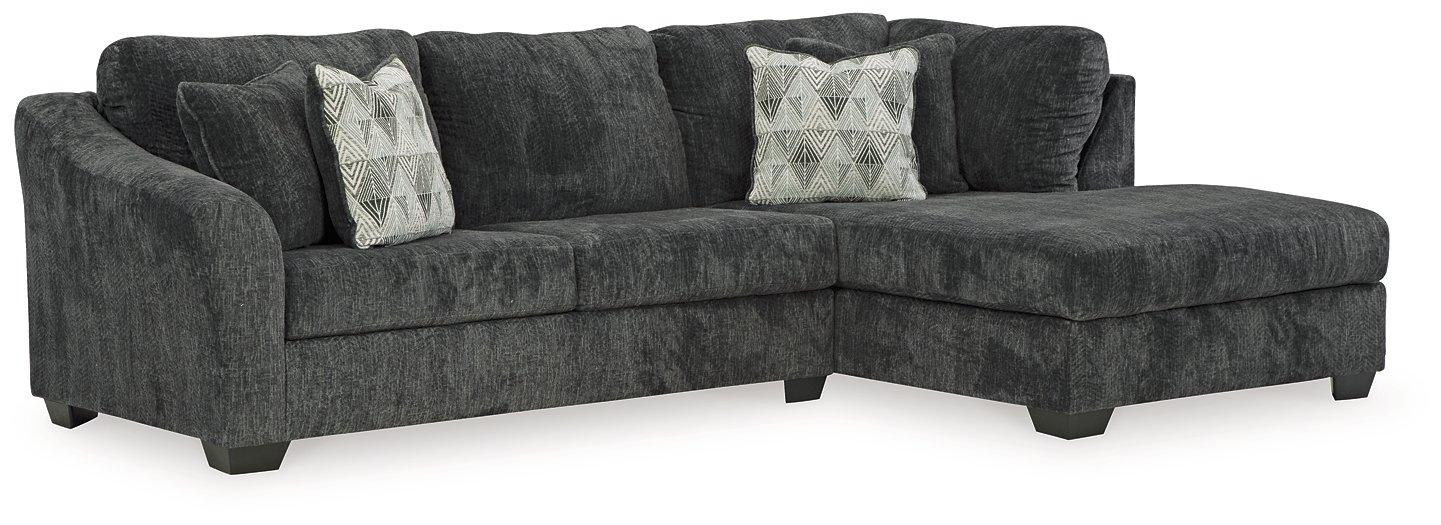
Picture a typical weeknight in 2026: two adults, two kids, and a dog pile onto the same sectional to stream a show. Everyone has their own space. One adult stretches out on the chaise lounge end. The kids claim the corner seats. The dog finds a comfy spot near someone's feet. Sectionals allow full stretching and lounging comfort compared to individual armchairs, where everyone is isolated in their own chair with no room to spread out.
Sectionals create an intimate environment suitable for social gatherings and family gatherings alike. The seat depth on deeper sectionals runs 24"–28", compared to 20"–22" on a standard sofa, meaning you can curl up, cross your legs, or sit upright with equal comfort. That deeper seat depth is what makes a cozy corner on a sectional feel completely different from perching on an accent chair.
An L-shaped sectional can create a cozy nook in corners that no arrangement of separate chairs can replicate.
Social Entertaining
If you frequently entertain guests or host frequent guests for casual get-togethers, a sectional keeps everyone in the same conversation zone. Modular sectionals can adapt to different events or room arrangements-push pieces together for movie nights, pull the chaise section aside to open up the room for a party.
For strictly formal entertaining, multiple accent chairs plus a sofa do encourage face-to-face conversation. But a U-shaped or curved modular sectional can approximate that same setup when styled intentionally, especially if you angle the open end toward a fireplace or window.
Hybrid Work in the Living Room
In 2026, many people will still work from the living room. A wide chaise or modular section creates a semi-permanent work perch-laptop on your knees, feet up on the chaise lounge, watching tv during breaks. Several small chairs scattered around a room don't offer that same comfortable base for long hours. Sectionals provide a lounging-to-working transition that individual pieces struggle to match.
Design and Aesthetics: Making the Room Feel Cohesive
A sectional becomes a major focal point in any living area. This can be a significant advantage when you want the seating to anchor the entire room's feel.
Clean Lines vs. Visual Fragmentation
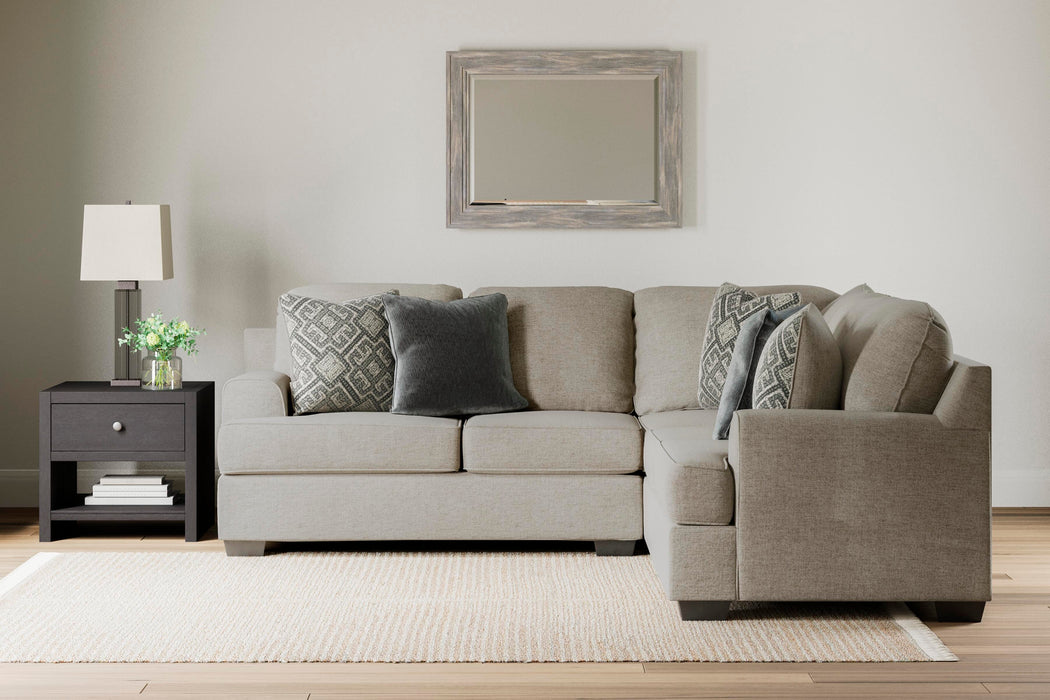
A single L-shaped sectional or chaise sectional provides a clean, continuous line of upholstery that grounds the room. Consolidating seating into one large piece reduces visual clutter compared to the busier, more fragmented look of multiple different chairs. A sectional can serve as the focal point of a room, especially in a 2026 new-build open concept condo where there are fewer architectural details, and you need the furniture to define style.
Sectionals create a cohesive appearance in large spaces, which is why designers in large rooms increasingly default to one statement sectional rather than scattering pieces.
Keeping a Large Sectional from Overpowering
A large sectional doesn't have to dominate. Choose neutral fabrics, slimmer arms, and low backs, and add contrast with accent pillows, a patterned rug, and a statement coffee table. A side table in a contrasting material (black metal, warm wood) breaks up the mass without adding more seating clutter.
In rooms that already have a strong focal point-a fireplace, dramatic window, or built-in shelving-you might prefer multiple smaller pieces so the furniture doesn't compete visually. This is where a sofa plus two accent chairs can keep the room feeling balanced.
A Concrete Styling Example
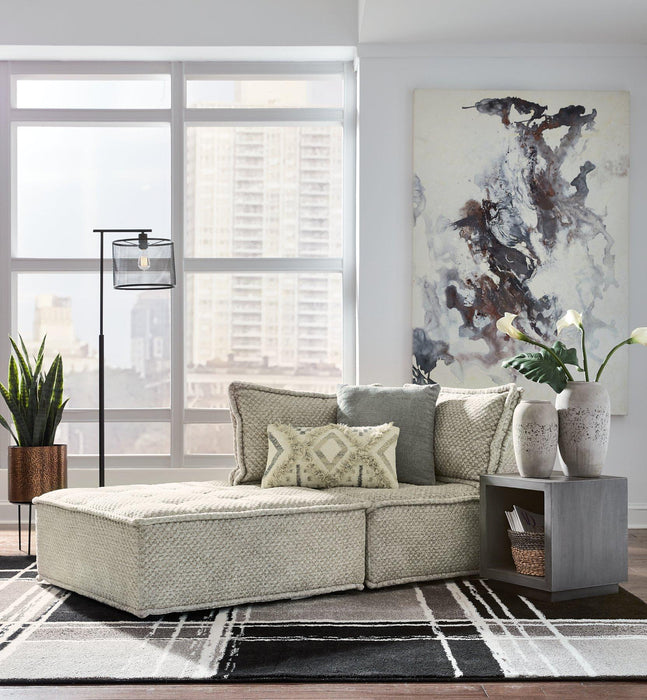
An off-white modular sectional in a 2026 city loft with warm wood flooring, black metal side tables, and a terracotta-toned rug tying everything together. The sectional's low profile and armless center module give it a sculptural, continuous look. A round coffee table in front keeps the lines soft. No additional furniture is needed beyond a floor lamp and a few throw pillows.
Budget, Value, and Long-Term Practicality
A sectional might seem like a bigger one-time expense, but it often replaces several chairs and can be more cost-effective over the long haul. You'd be surprised how quickly a mid-quality sofa plus love seat can exceed $3,000, and that's before adding two or three accent chairs on top.
Cost Comparison
When you compare a quality sectional to a regular sofa plus 2–3 accent chairs, the sectional often comes out similar or cheaper. Multiple chairs mean multiple sets of legs, fabrics, and cushions to maintain, and more money spent on additional furniture over time. A sectional consolidates that investment into one piece.
Durability and Lifespan
A well-built sectional can last 7–10 years with proper care. Families tend to gravitate to a few favorite seats, and a sectional with performance fabric and removable covers handles daily use better than a mix of delicate accent chairs. Sectionals adapt better to life changes than fixed sofas, and sectionals can be reconfigured into smaller setups for new spaces if you move.
Cleaning and Maintenance
Sectionals can simplify cleaning compared to multiple seating pieces. One large piece means fewer crevices between furniture, fewer legs to vacuum around, and a more straightforward cushion-rotation routine. That said, sectionals typically require more maintenance than separate sofas simply because there's more surface area to care for. The trade-off is convenience: cleaning one big piece is simpler than shifting three or four chairs every week.
Moving and Flexibility
Modular sectionals break into smaller pieces that are easier to carry through apartment elevators and stairwells than bulky armchairs and a long sofa all at once. If you expect to move homes or rearrange your room layout over the next few years, modularity pays for itself. However, sectionals can limit future layout options in a room if you go with a fixed, non-modular design, so choose wisely.
Real-World Scenarios: Sectional vs. Multiple Chairs
Readers often decide best when they can picture real layouts, not just theory. Here are four scenarios that cover the most common situations.
Scenario 1: 14' × 18' suburban family room with a wall-mounted TV and an L-shaped sectional against two walls that seats 5–6 comfortably, creating a dedicated TV room without needing extra chairs. A sofa plus 3 chairs in the same space makes the room feel cluttered and breaks up family seating. The sectional wins here for cohesion and capacity.
Scenario 2: 20' × 24' open concept living area in a 2026 new build. A large U-shaped or modular sectional defines the lounge area, backs onto the dining zone, and avoids the "floating furniture" issue. A U-shaped sectional can seat 6–8 people comfortably in this space, and the back of the sectional acts as a natural room divider. Multiple separate chairs in this much space look sparse and disconnected.
Scenario 3: Long, narrow city living room, only 10' wide. Here, a regular sofa plus 1–2 compact accent chairs is still the better call. Two separate sofas enhance movement flow in smaller spaces like this, and a full sectional would block natural circulation. This confirms that sectionals aren't the answer for every room.
Scenario 4: Multi-use basement media room. A pit-style modular sectional creates a sleepover-friendly "movie pit" that no combination of chairs can replicate. Kids love spreading out with blankets and game controllers across the connected sections. This is the ultimate kids' space and family gathering zone. The same sectional works for game day parties and casual hangouts with equal ease.
How to Decide: A Simple Checklist
Before you commit, run through these questions about your living room:
-
Do you regularly seat 4 or more people in this room?
-
Is your room at least 12' wide?
-
Do you prefer casual lounging over formal entertaining?
-
Do you have an open concept layout that needs visual separation?
-
Can you leave at least 30" of walking space in front of the sectional?
-
Will the long side of an L-shaped sectional fit along a wall that's at least 9' long?
-
Is this room primarily used for watching TV, movie nights, or family gatherings rather than formal conversation?
-
Do you plan to stay in this home (or keep this layout) for 3+ years?
If you answered "yes" to most of these, a sectional is almost certainly the right move. If you answered "no" to several, especially about room width or entertaining style, a sofa-plus-chairs setup with structured seating will likely serve you better.
There's no universally right answer. But this checklist should make it much clearer when a sectional really does make more sense than multiple chairs.
FAQ
Here are answers to common follow-up questions that aren't fully covered in the sections above.
Can I combine a sectional with a few accent chairs?
Absolutely. Mixing one sectional with two accent chairs is one of the most popular hybrid layouts in 2026. It gives you generous lounging space plus flexible extra seating for when you have frequent guests. Place chairs opposite the sectional or angled near the corners to support conversation without blocking walkways. This approach works especially well in large rooms and open floor plans where you need both capacity and flexibility.
Is a sectional a bad idea for very small living rooms?
In rooms under about 10' wide, most full-size sectionals will feel cramped and block natural circulation. For tight spaces like small city apartments, consider a compact two-piece sectional with slimmer arms, or stick with a regular sofa plus one small lounge chair. Before committing, use painter's tape on the floor to outline the sectional's footprint-it's the fastest way to see if you have enough space.
Which sectional shape works best in a typical family room?
L-shaped sectionals are the most versatile option for rectangular family rooms between about 12' × 16' and 16' × 20'. Adding a chaise on one end creates a favorite comfy spot without needing a separate recliner. U-shaped or pit-style modular sectionals are better reserved for larger rooms where you host bigger groups regularly. A typical L-shaped sectional comfortably seats 4–6 people, which covers most family-sized households.
Are modular sectionals worth it compared to fixed sectionals?
Modular sectionals are usually worth the slight extra cost for people who expect to move homes, rearrange rooms, or change layouts as families grow, especially if you have small children whose needs will shift over the years. Individual modules are easier to carry through hallways and elevators than a long fixed sofa. Modules can also be separated to function as standalone pieces, giving more family-friendly flexibility than a single fixed sectional. The modular design approach essentially future-proofs your investment.
What fabrics are best for a family-friendly sectional?
Performance fabrics, tightly woven synthetics, or treated cotton blends that resist stains and clean easily are the go-to choices, especially in homes with kids or pets. Medium-tone colors (not too light, not too dark) hide everyday wear best in busy family rooms used daily. Removable, washable covers on modular sectionals are particularly practical for long-term use and help a three-seater module or chaise section stay looking fresh for years.
Shop Now at Plourde Furniture Co for Sectional Sofa Furniture
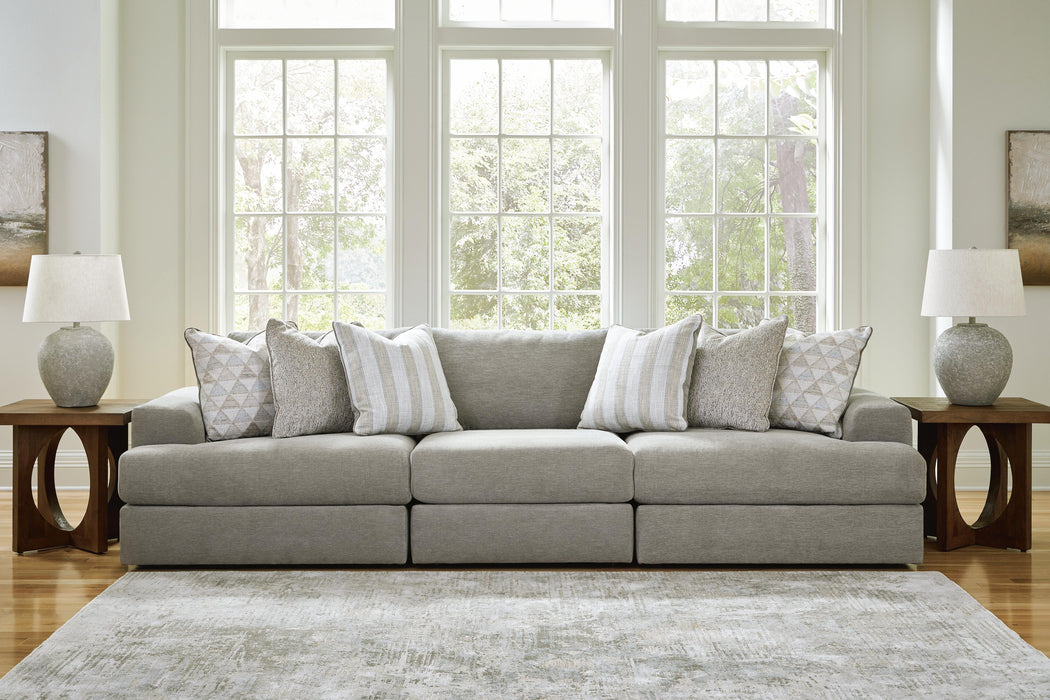
Shop now at Plourde Furniture Co and discover sectional sofa furniture designed to bring comfort, style, and practicality into your living space. Whether you're furnishing a new home or upgrading your current setup, our sectional sofas offer spacious seating and versatile designs that fit a wide range of room layouts.
Get your sectional sofa furniture at Plourde Furniture Co today and enjoy pieces built for everyday comfort and long-lasting durability. From modern styles to classic configurations, you’ll find the perfect sectional to create a warm, inviting, and functional living area for family and guests.